
Clothing Style Sector
Artificial intelligence offers the possibility of creating new clothing styles by drawing on both innovation and the memory of shapes. It allows us to revisit styles from past eras—silhouettes, cuts, patterns, or aesthetic codes—while reinterpreting them through a contemporary lens. By combining historical references and personal intentions, the designer can infuse their own sensibility, transform influences, and bring forth entirely new styles, where heritage becomes a source of inspiration rather than a constraint.
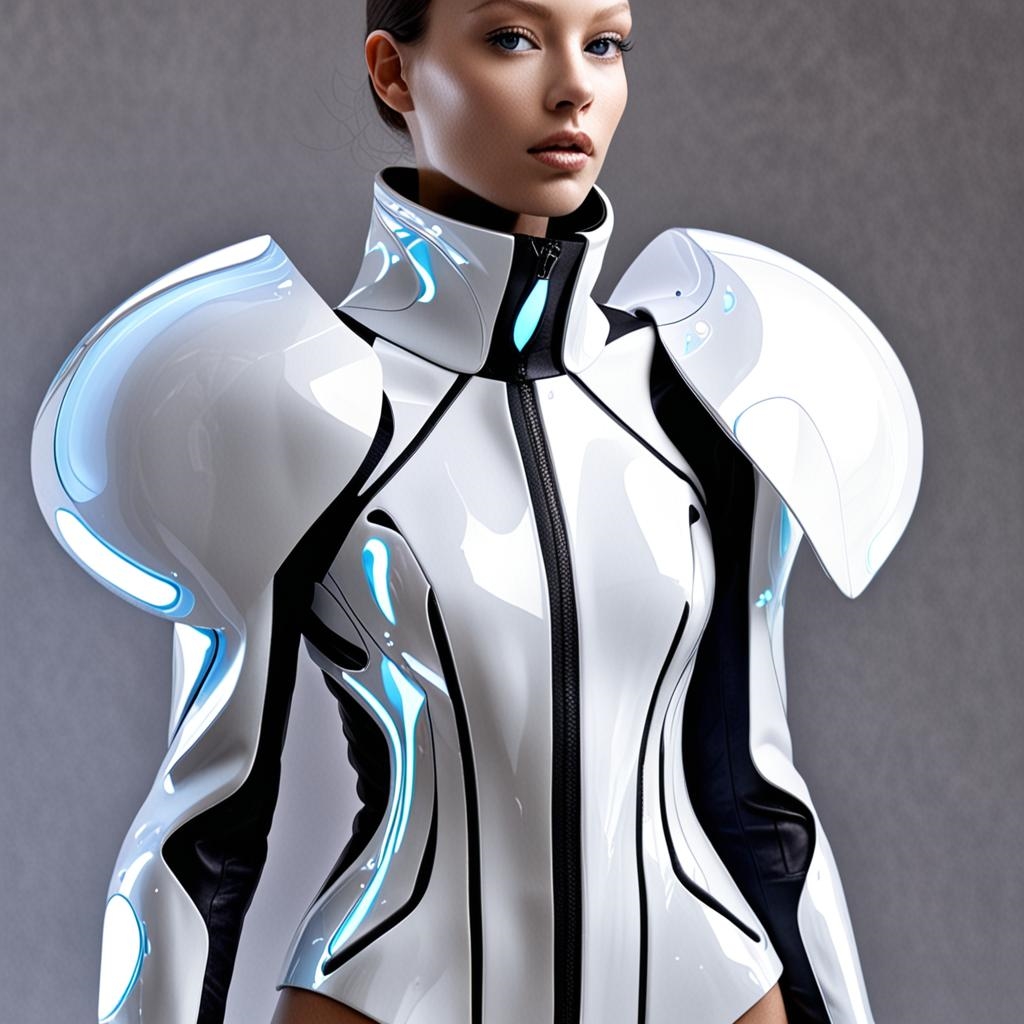
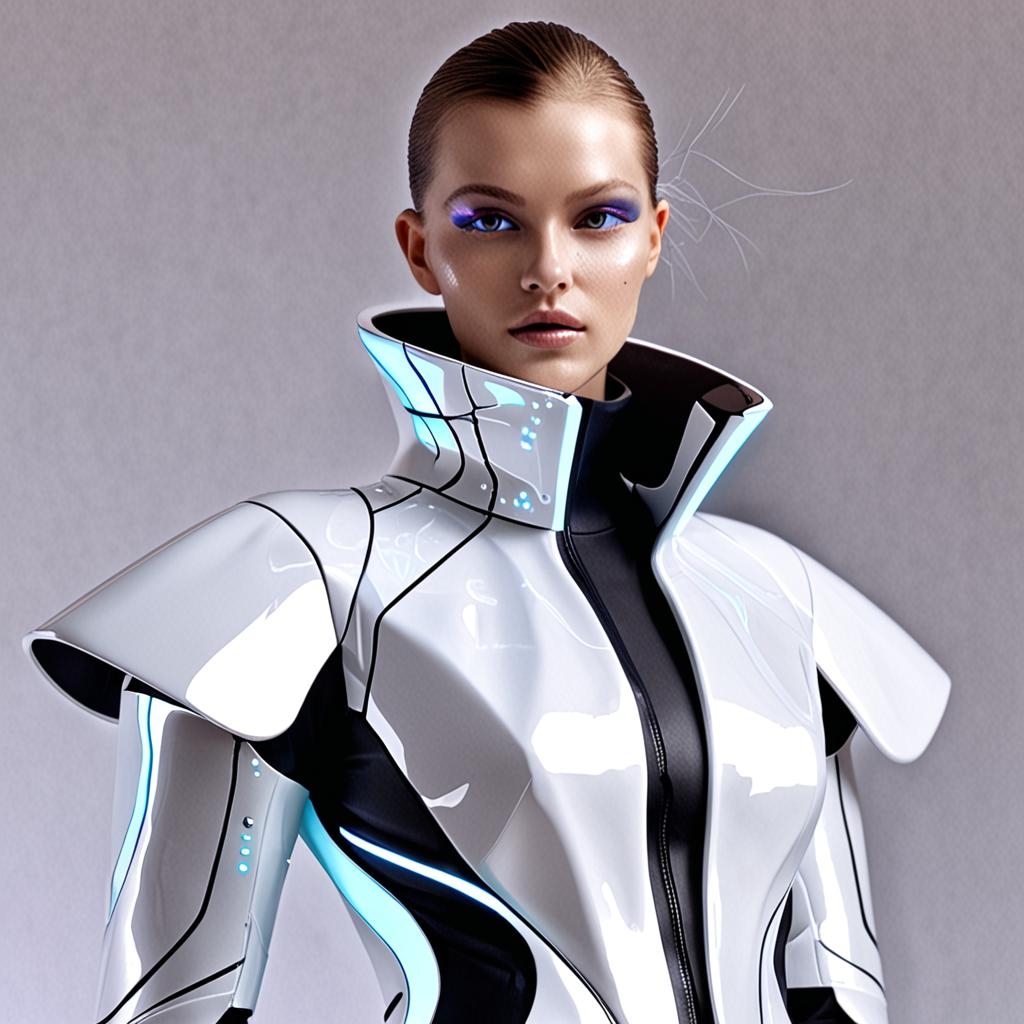
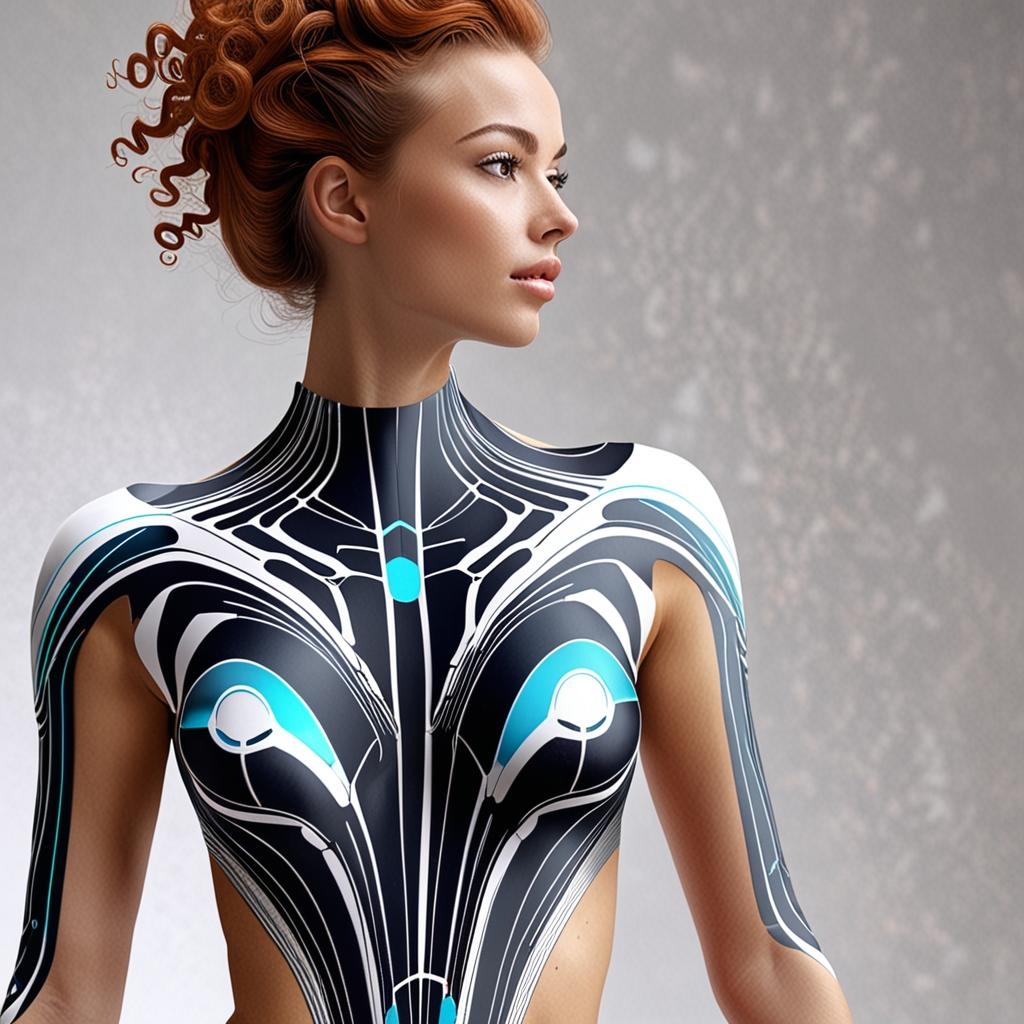
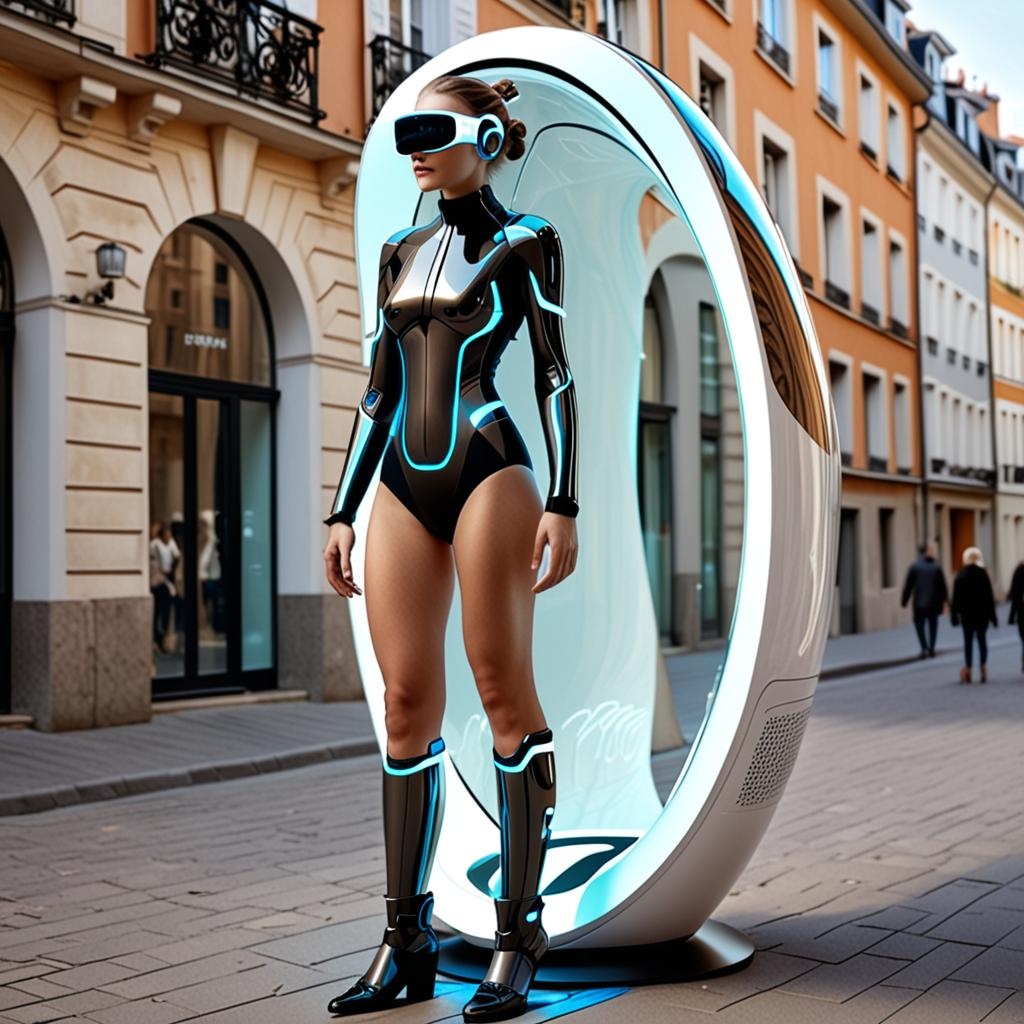
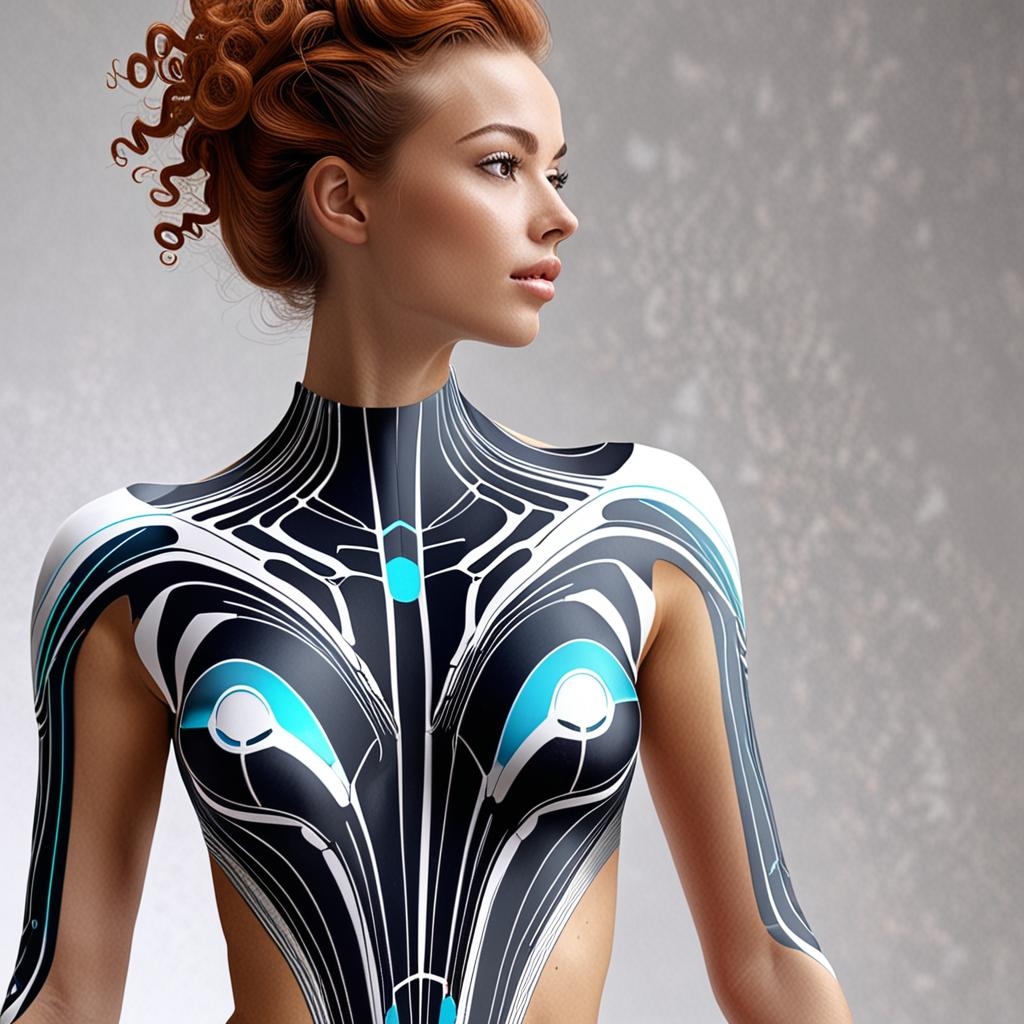
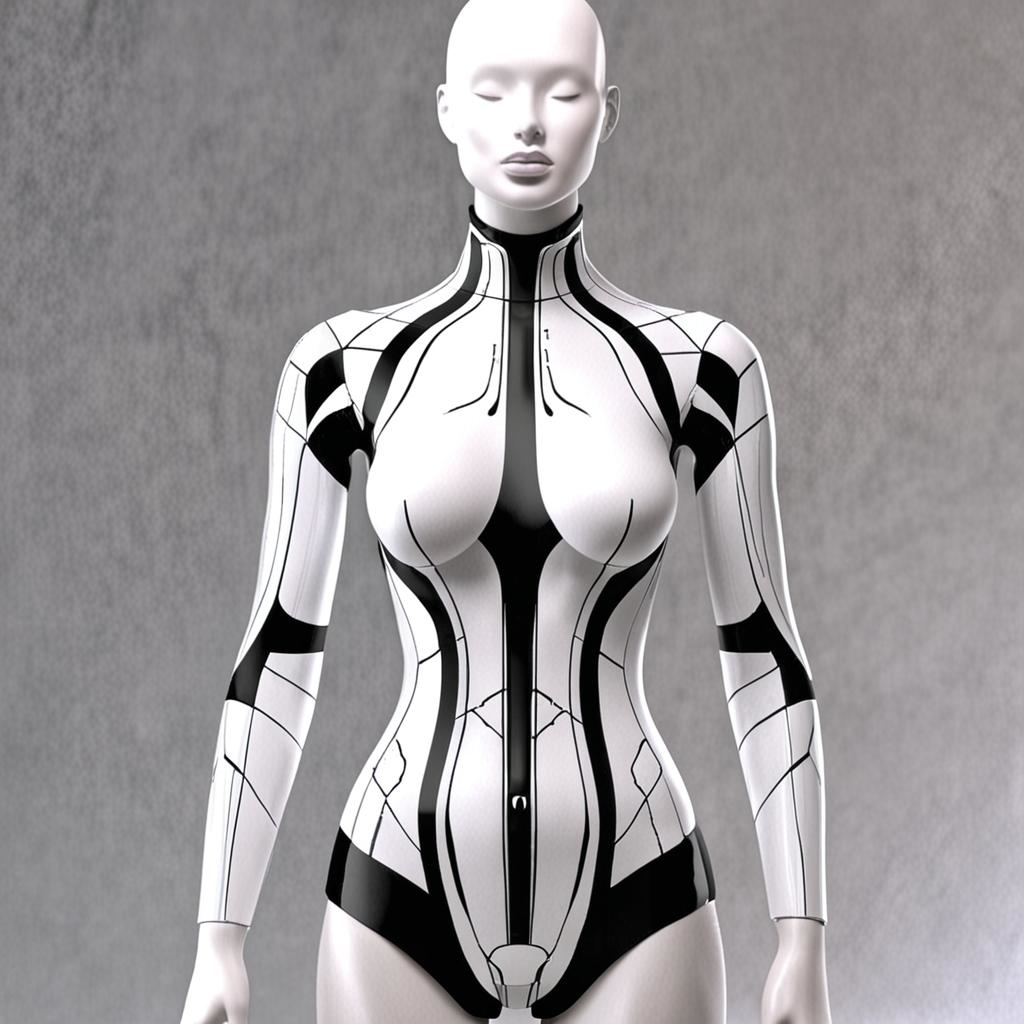
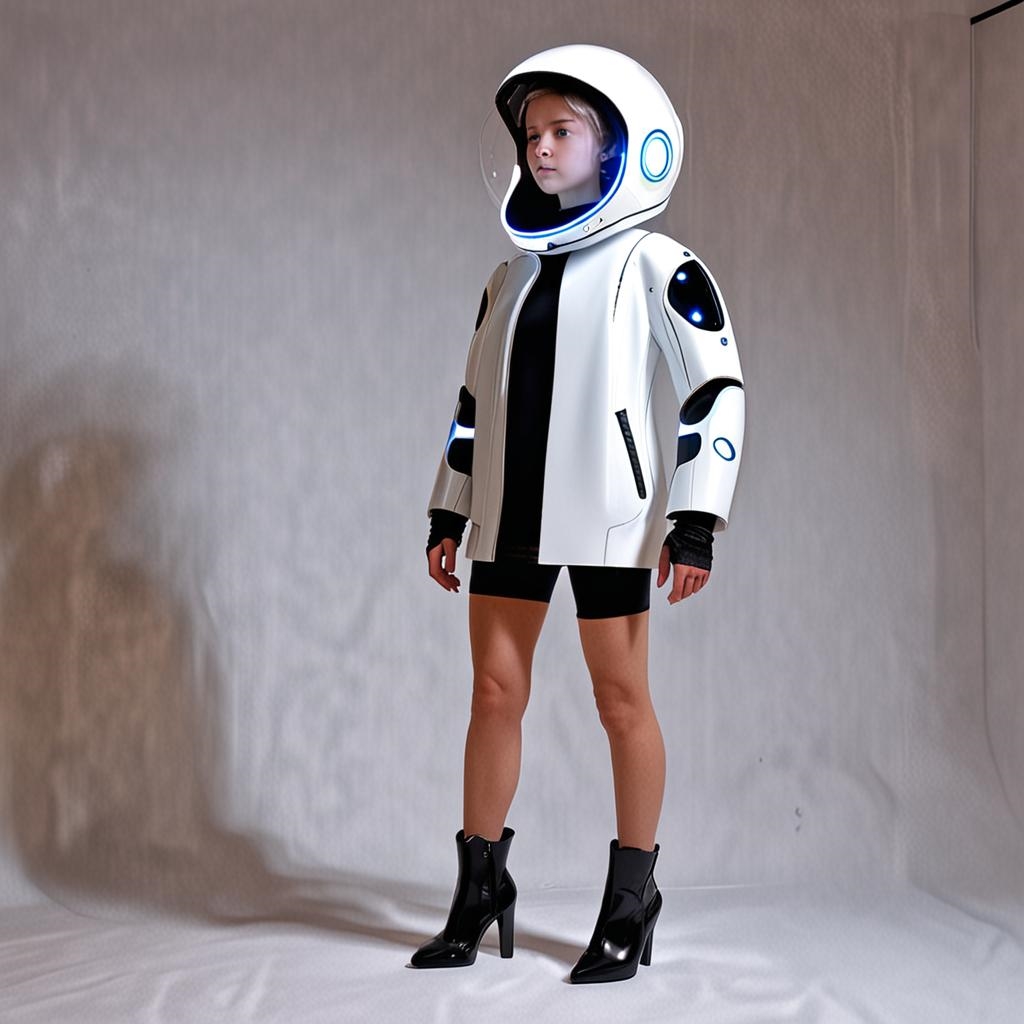
Technological Futurism
Clean silhouettes, crisp lines, and functional volumes inspired by engineering and industrial design.
Smooth materials, precise finishes, and visible technical details evoke performance, innovation, and technological mastery.
From the opulent silhouettes of the Renaissance and Baroque periods to the structured lines of the 19th century, then to the liberation of form in the 1920s, the fitted elegance of the 1950s, and the free expression of the 1970s, each era has shaped strong dress codes. These styles, reflections of their time, constitute an essential aesthetic memory, offering a foundation of inspiration for creating, transforming, and reinventing the languages of contemporary fashion.

Style of a medieval past
Today, simply defining a style—futuristic, classic, or modern—is all it takes to automatically create a visual template. This pattern can be applied to a mannequin to see the actual result, and then a specific section can be easily extracted for reworking or reuse.
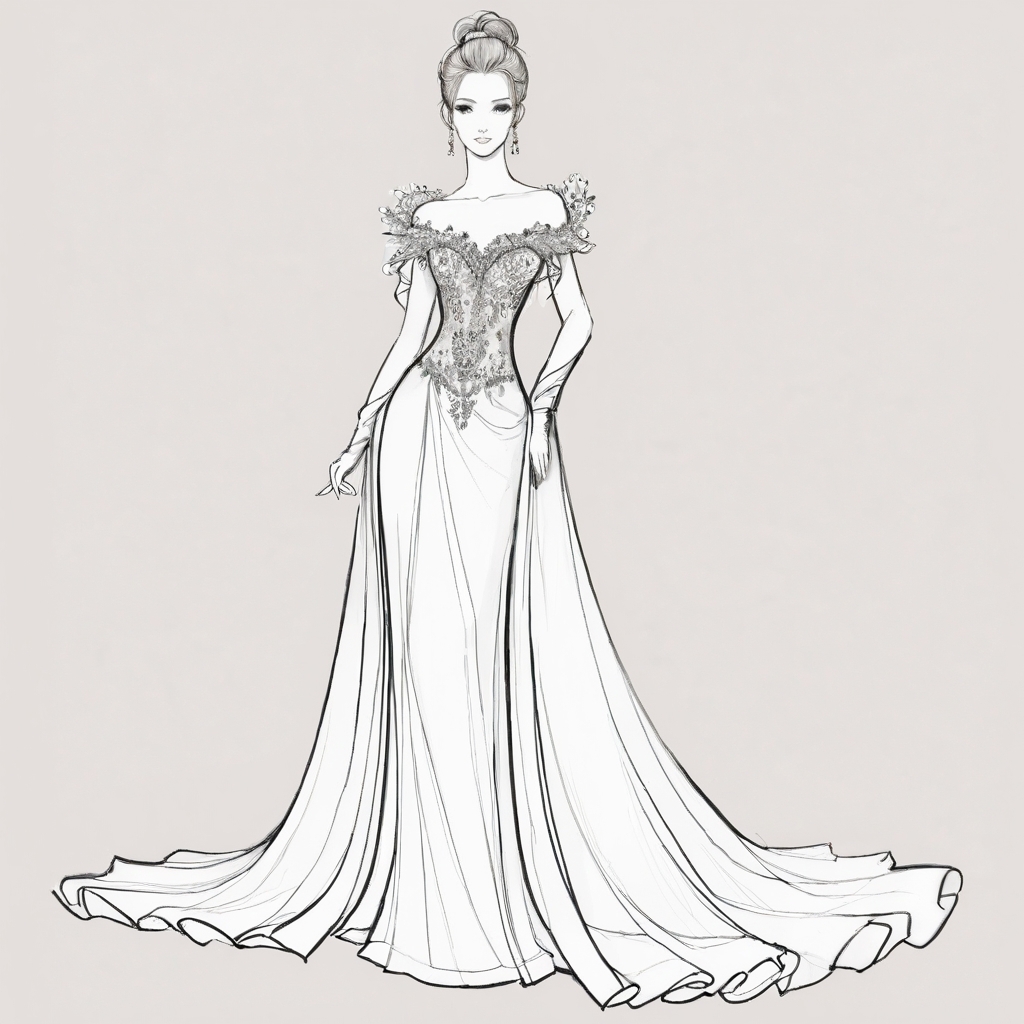
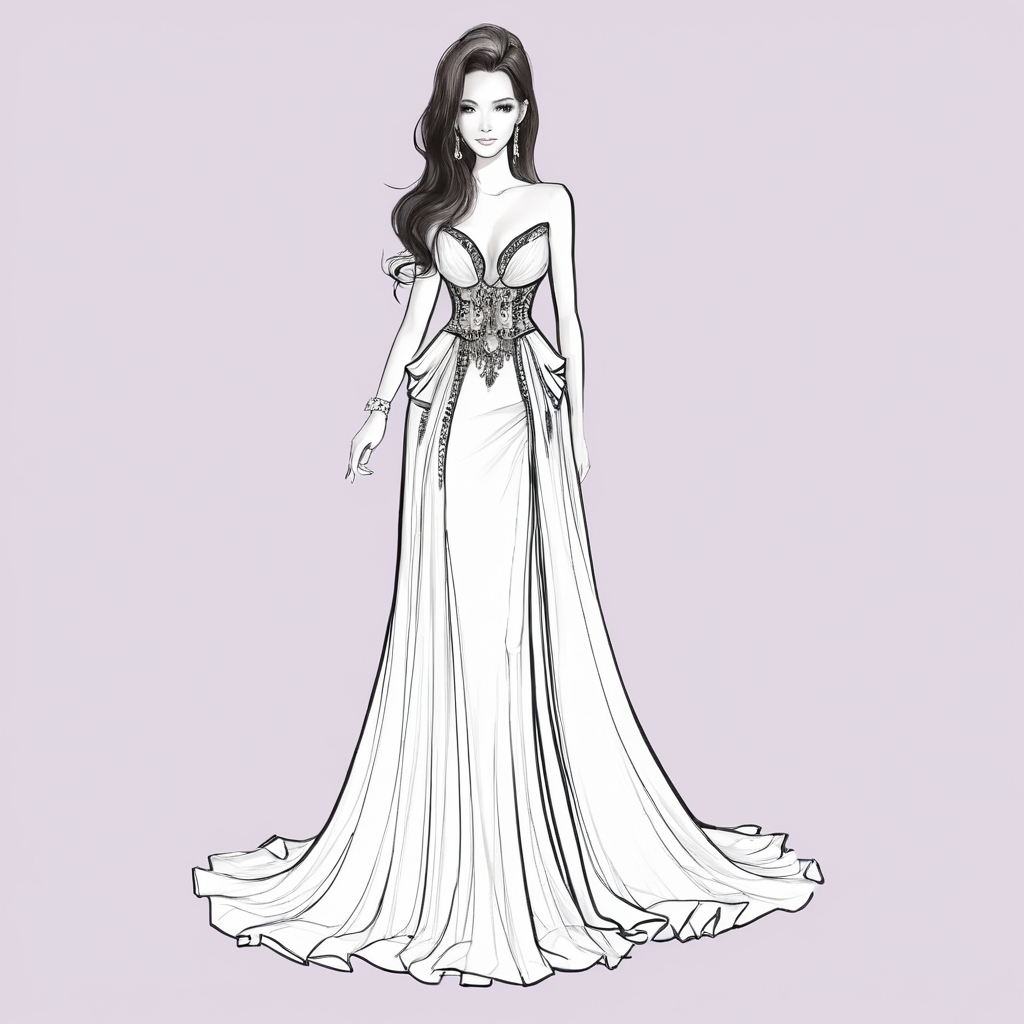
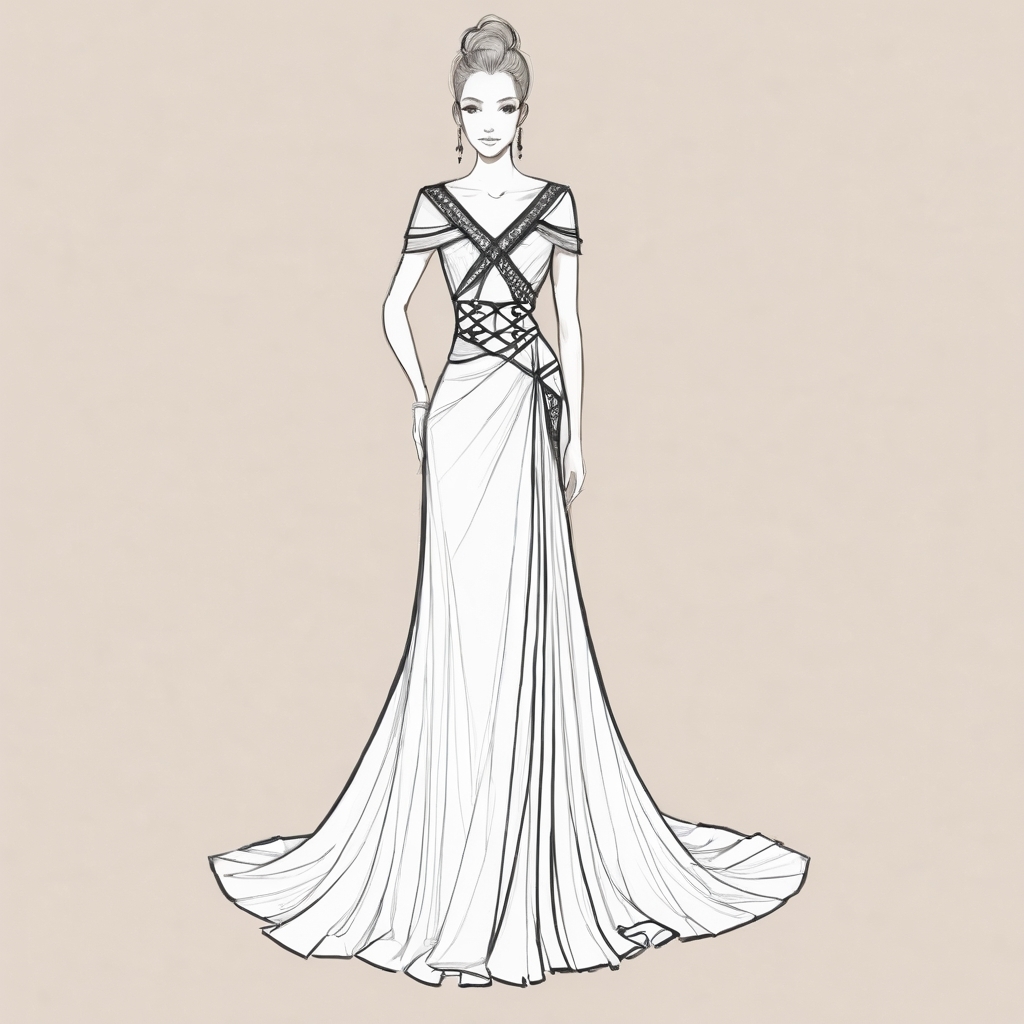
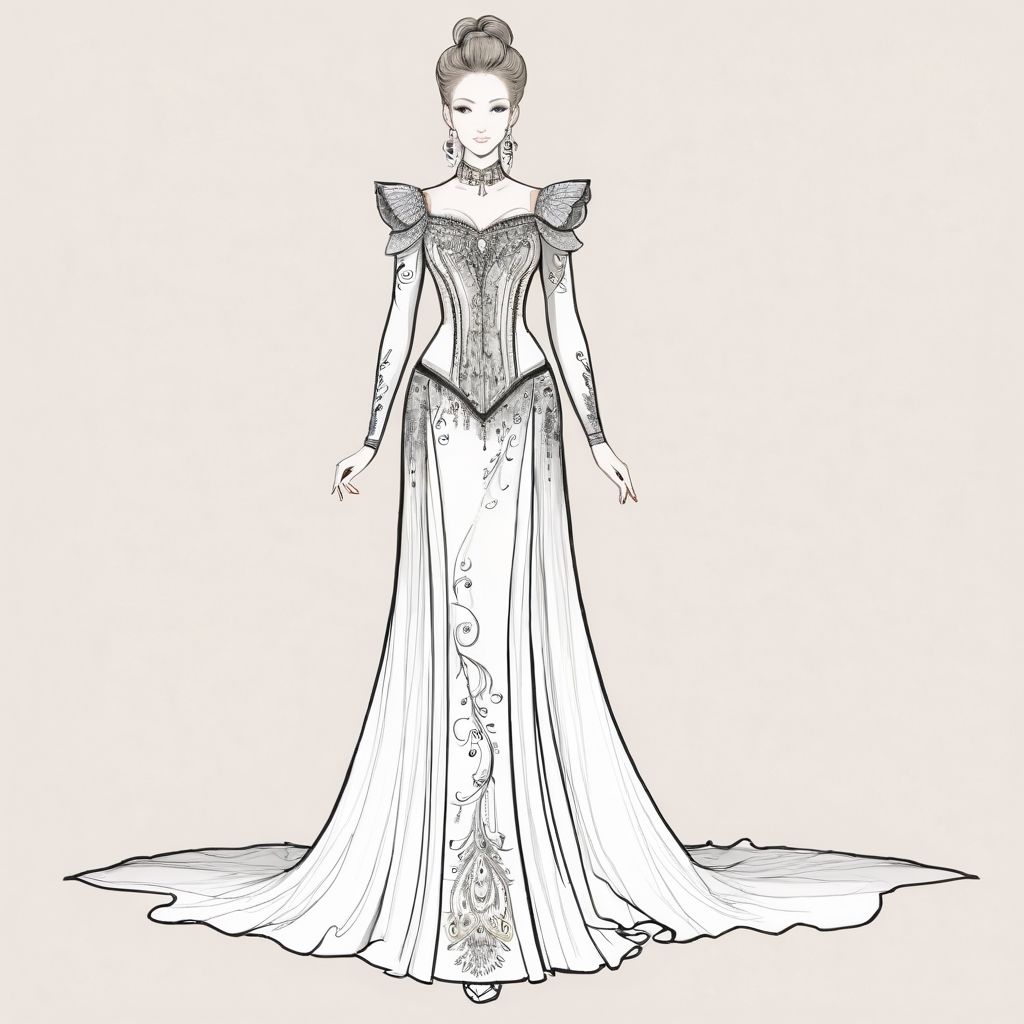
Creativity stems first and foremost from the designer's imagination. They simply need to express and detail the desired style of clothing—period, cut, materials, aesthetic intentions—for artificial intelligence to translate this vision and closely approximate the expected model. AI then acts as an extension of the imagination, capable of rapidly materializing a creative intention without ever being its origin.